
Best U.S. Cities for Luxury Real Estate Investments

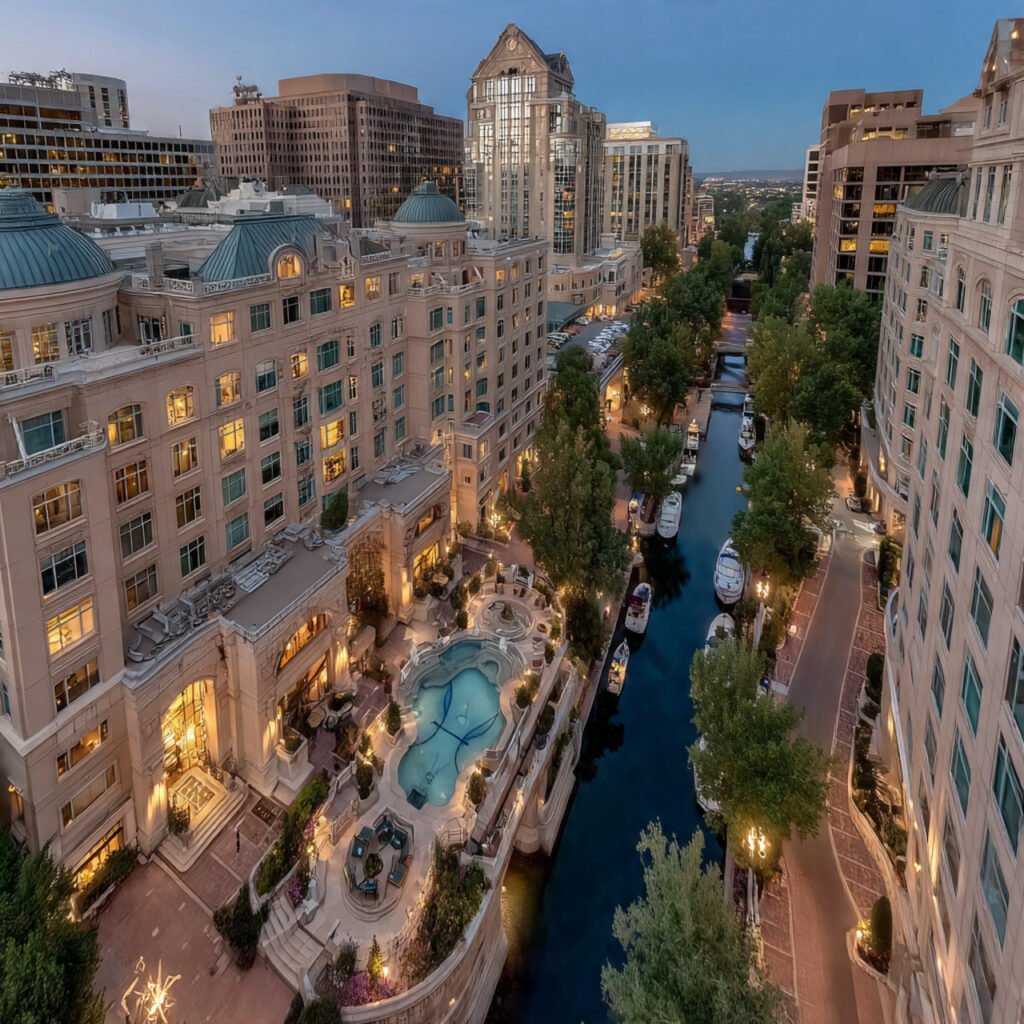
Luxury real estate in the United States is more than just mansions and skyline penthouses. For investors, high-end properties can be a strategic way to preserve wealth, diversify a portfolio, and generate long-term returns through appreciation and rental income.
But not every expensive property is a good investment. Location, market stability, demand from high-net-worth buyers, and lifestyle appeal all play a crucial role.
This guide explores some of the best U.S. cities for luxury real estate investments, what makes each market unique, and how to think strategically before putting millions into a high-end home or condo.
What Makes a City Attractive for Luxury Real Estate?
Before looking at specific cities, it helps to understand the fundamentals that drive strong luxury markets. Generally, the best locations offer a combination of:
- Strong, diverse local economy
- Limited supply of prime properties
- International appeal and brand recognition
- High quality of life and lifestyle amenities
- Stable or growing population of affluent residents
- Solid long-term appreciation history
When these elements are present, luxury properties become more than status symbols—they become assets with real investment potential.
1. New York City, New York
New York remains one of the most important luxury real estate markets in the world. For global investors, owning property in New York is often seen as a financial and symbolic statement.
Why it’s attractive
- Prime neighborhoods like Manhattan, Brooklyn Heights, Tribeca, and the Upper East Side are globally recognized
- Constant demand from international buyers, hedge fund managers, executives, and celebrities
- Strong rental market for high-end condos and penthouses
- World-class culture, restaurants, shopping, and finance sector
Investor profile
New York works best for investors focused on:
- Long-term capital preservation
- Global diversification
- High-end rentals targeting executives and wealthy tenants
The key is to be selective: focus on best-in-class buildings, premium views, and top locations rather than just any expensive property.
2. Los Angeles & Beverly Hills, California
Los Angeles and its surrounding luxury enclaves—Beverly Hills, Bel Air, Holmby Hills, Malibu—are synonymous with ultra-high-end real estate. Ocean views, hillside estates, and celebrity associations fuel ongoing demand.
What makes LA a luxury hotspot
- Strong entertainment, tech, and creative industries
- International buyer interest, especially from Asia and the Middle East
- Trophy properties with massive lots, pools, and privacy
- Global recognition of areas like Beverly Hills and Malibu
Investment angle
Luxury real estate in LA can deliver:
- Long-term appreciation on rare view or hillside lots
- High demand for rentals in certain price segments (especially furnished, short-term, or extended-stay for production/industry professionals)
Location is everything here: oceanfront, city views, gated streets, and privacy dramatically increase desirability and resilience in down cycles.
3. Miami & Miami Beach, Florida
Miami has evolved from a vacation destination into a global hub for finance, technology, and international wealth. Luxury condos, waterfront homes, and branded residences have drawn buyers from Latin America, Europe, and across the U.S.
Why investors target Miami
- No state income tax in Florida
- Strong appeal as a second-home and primary-home market
- Year-round warm climate and beach lifestyle
- Rapid growth in luxury high-rises and penthouses
Key luxury areas
- Miami Beach (especially oceanfront)
- Edgewater and Brickell high-rise condos
- Coconut Grove and Coral Gables estates
Miami is particularly attractive for investors who want a mix of personal lifestyle use plus potential appreciation and rental income.
4. San Francisco & the Bay Area, California
The Bay Area’s wealth driven by technology and innovation has long supported a strong high-end housing market. Despite cycles and corrections, affluent buyers continue to seek premium properties near major tech corridors.
Why it still matters for luxury
- High concentration of tech executives, founders, and investors
- Limited land and strict zoning, especially in prime neighborhoods
- Strong long-term demand for quality single-family homes
Where the luxury action is
- San Francisco neighborhoods like Pacific Heights and Russian Hill
- Silicon Valley communities such as Atherton, Palo Alto, and Los Altos Hills
For investors, the Bay Area is more about long-term value than short-term flips. Patience and quality acquisitions are key.
5. Aspen, Colorado and Other Ski Destinations
Luxury ski towns like Aspen, Vail, and Jackson Hole have become magnets for ultra-wealthy buyers seeking privacy, natural beauty, and exclusive communities.
What drives value
- Extremely limited inventory in prime locations
- Strong demand for second homes and seasonal rentals
- High barriers to new construction because of geography and zoning
- Lifestyle appeal: skiing, hiking, and year-round outdoor living
These markets work best for investors interested in vacation lifestyle plus long-term hold and potential generational wealth transfer.
6. Palm Beach, Florida
Palm Beach is one of the most established luxury markets in the U.S., known for oceanfront estates, manicured streets, and a wealthy, often long-term residential base.
Why Palm Beach stands out
- Limited coastline and historic estates
- Stable base of affluent residents and seasonal visitors
- Strong luxury market with a history of resilience
Investors in Palm Beach typically look for trophy properties, long-term holds, and portfolio stability rather than short-term speculation.
7. Texas Luxury Markets: Austin and Dallas
Texas cities like Austin and Dallas have seen a surge in luxury developments due to strong job growth, business-friendly policies, and influx of high-income residents.
Austin
- Growing tech scene and influx of entrepreneurs
- Popular with younger high-net-worth individuals
- Luxury homes around lakes and hill country
Dallas
- Strong corporate presence and business environment
- Established luxury neighborhoods with large estates
- Lower purchase prices compared to coastal markets, with solid upside
These cities appeal to investors seeking growth potential without the extreme price points of New York or Los Angeles.
Key Factors to Consider Before Investing in Luxury Real Estate
Even in top cities, not every high-priced property is a good investment. Consider:
- Location inside the city: neighborhood desirability, views, proximity to amenities
- Liquidity: how easy is it to sell a property in that segment if the market turns?
- Taxes and carrying costs: property tax, HOA fees, insurance, and maintenance
- Rental demand: is there a strong market for high-end rentals or seasonal stays?
- Future development: new infrastructure or projects that might increase or dilute value
Luxury investments require detailed due diligence and a clear strategy.
Frequently Asked Questions (FAQ)
1. Is luxury real estate a safe investment in any market cycle?
Luxury real estate can be more resilient, but it is not risk-free. High-end properties may take longer to sell during downturns. The safest approach is to buy in top locations within top cities and plan for a long-term hold.
2. Should I focus on condos or single-family homes for luxury investments?
Both can work. Condos may offer easier management and amenities; single-family homes often have more land and privacy. Your decision should depend on the city, the neighborhood, and your strategy (rental, personal use, or long-term appreciation).
3. Do international buyers still drive demand in U.S. luxury markets?
Yes, especially in cities like New York, Miami, Los Angeles, and certain resort areas. International demand adds another layer of support for prices in prime segments.
4. Is it better to buy a trophy property or a more “average” luxury home?
Trophy properties in prime locations tend to hold value well and can see strong appreciation. However, they also require larger capital and can be less liquid. More “standard” luxury properties may offer better rental potential and a wider buyer pool on exit.
5. How important is timing when buying luxury real estate?
Timing matters, but quality matters more. Buying a well-located, high-quality property in a strong city is often better than trying to time the absolute bottom of the market with a mediocre property.
If you want, I can also create a companion article like “Best Luxury Neighborhoods in Miami for Foreign Investors” or “Top Mistakes to Avoid When Investing in High-End Real Estate in the U.S.” – both work very well as internal links and SEO clusters for your site.




Responses